
How to Take BPC-157: Routes, Study Methods & the Capsule Question
- Written by
- Daniel Reyes, PhD
- Medically reviewed by
- Dr. Sarah Lindqvist, MD
- Published
- June 20, 2025
- Updated
- June 20, 2025
- Last medical review
- June 20, 2025
- Reviewer scope
- Metabolic health

BPC-157 has been administered three ways in research: subcutaneous or intramuscular injection, orally in drinking water (rodents), and — commercially but almost never in studies — capsules. The peptide is unusually stable in gastric juice, which makes oral routes biologically plausible for gut endpoints, but systemic effects from capsules remain unproven anywhere. Route selection and dosing are clinical decisions; the compound remains unapproved.
What each route actually has behind it
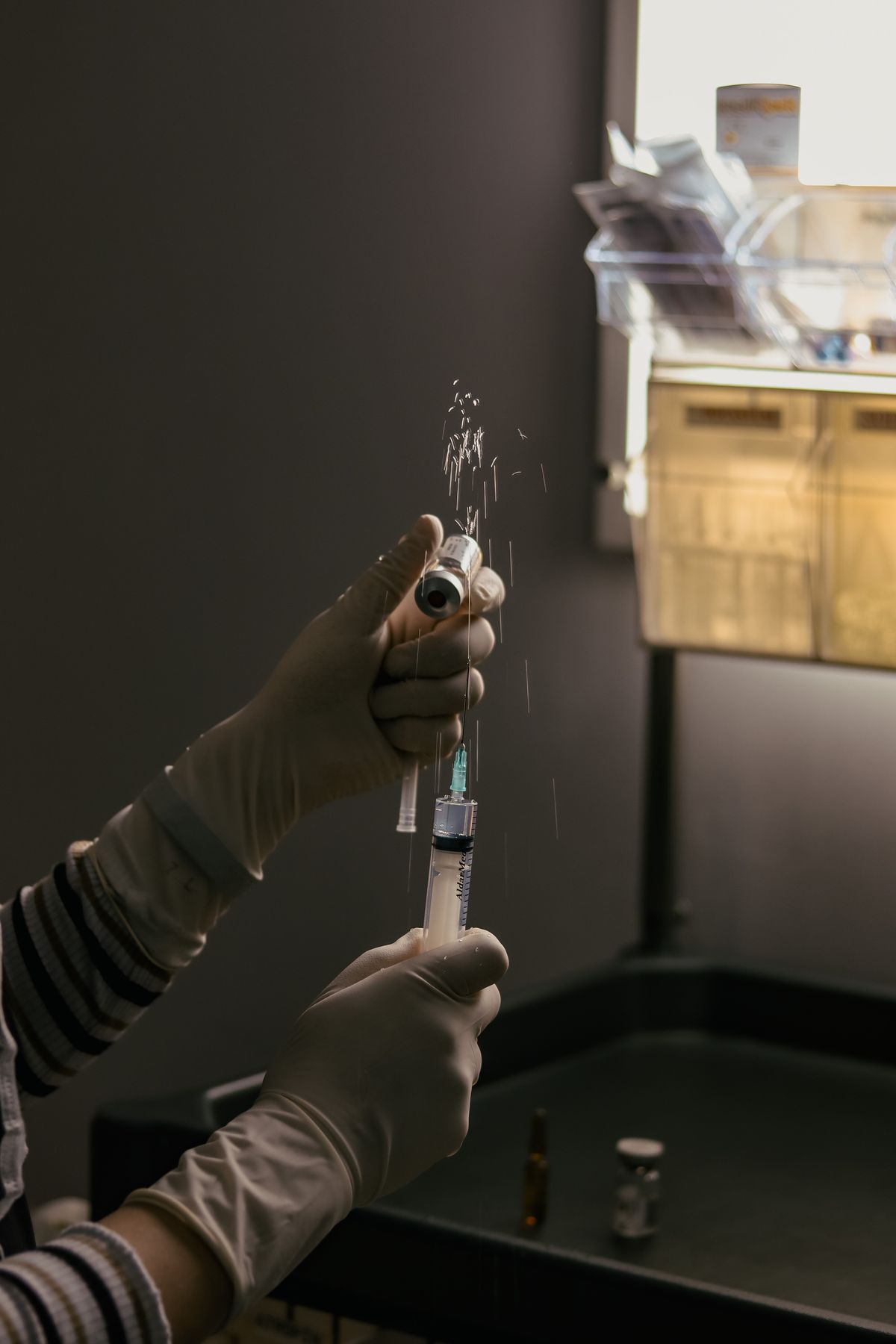
- Injection (subcutaneous/IM): the dominant route in rodent tendon and muscle studies
- Oral solution: used in rodent gut-injury models, where a gastric peptide plausibly acts locally
- Capsules: a commercial format with essentially no published outcome data of its own
The stability argument, honestly stated
BPC-157 derives from a gastric-juice protein and resists degradation in stomach acid — a real and unusual property. Stability in acid is not the same as systemic bioavailability to a tendon in a human. That leap has never been measured.
Route determines which claims are even plausible — the oral vs injectable comparison maps each claim to its evidence trail. Dose numbers are dissected in the dosage research review and duration folklore in the cycle-length analysis. The full compound profile lives in our BPC-157 monograph.
Injection-site basics if a clinician prescribes it
Sterile technique per USP <797> handling principles, site rotation, and pharmacy-labeled storage. This page reports what published studies and regulatory documents describe. It never recommends a dose — dosing is a clinical decision for a licensed prescriber who knows your history.
Frequently asked questions
Can you take BPC-157 orally?
Do BPC-157 capsules work?
How is BPC-157 injected in studies?
Questions to ask a licensed clinician
- Does my goal (gut vs soft tissue) change which route has any plausibility?
- How would we verify what a capsule product even contains?
References
- Sikiric P, Seiwerth S, Rucman R, et al. (2018). Stable gastric pentadecapeptide BPC 157: novel therapy in gastrointestinal tract. Current Pharmaceutical Design. SourceNarrative review
- Chang CH, Tsai WC, Lin MS, et al. (2011). The promoting effect of pentadecapeptide BPC 157 on tendon healing involves tendon outgrowth, cell survival, and cell migration. Journal of Applied Physiology. SourcePreclinical
- US Pharmacopeia (2023). General Chapter <797> Pharmaceutical Compounding — Sterile Preparations. USP-NF. SourceStandard
Related tools
Something incorrect in this guide? Report a correction. Material corrections are noted on the page with the date and nature of the change.