
Bacteriostatic Water: What It Is, Why 0.9% Benzyl Alcohol Matters
- Written by
- Daniel Reyes, PhD
- Medically reviewed by
- Dr. Sarah Lindqvist, MD
- Published
- June 20, 2025
- Updated
- June 20, 2025
- Last medical review
- June 20, 2025
- Reviewer scope
- Metabolic health
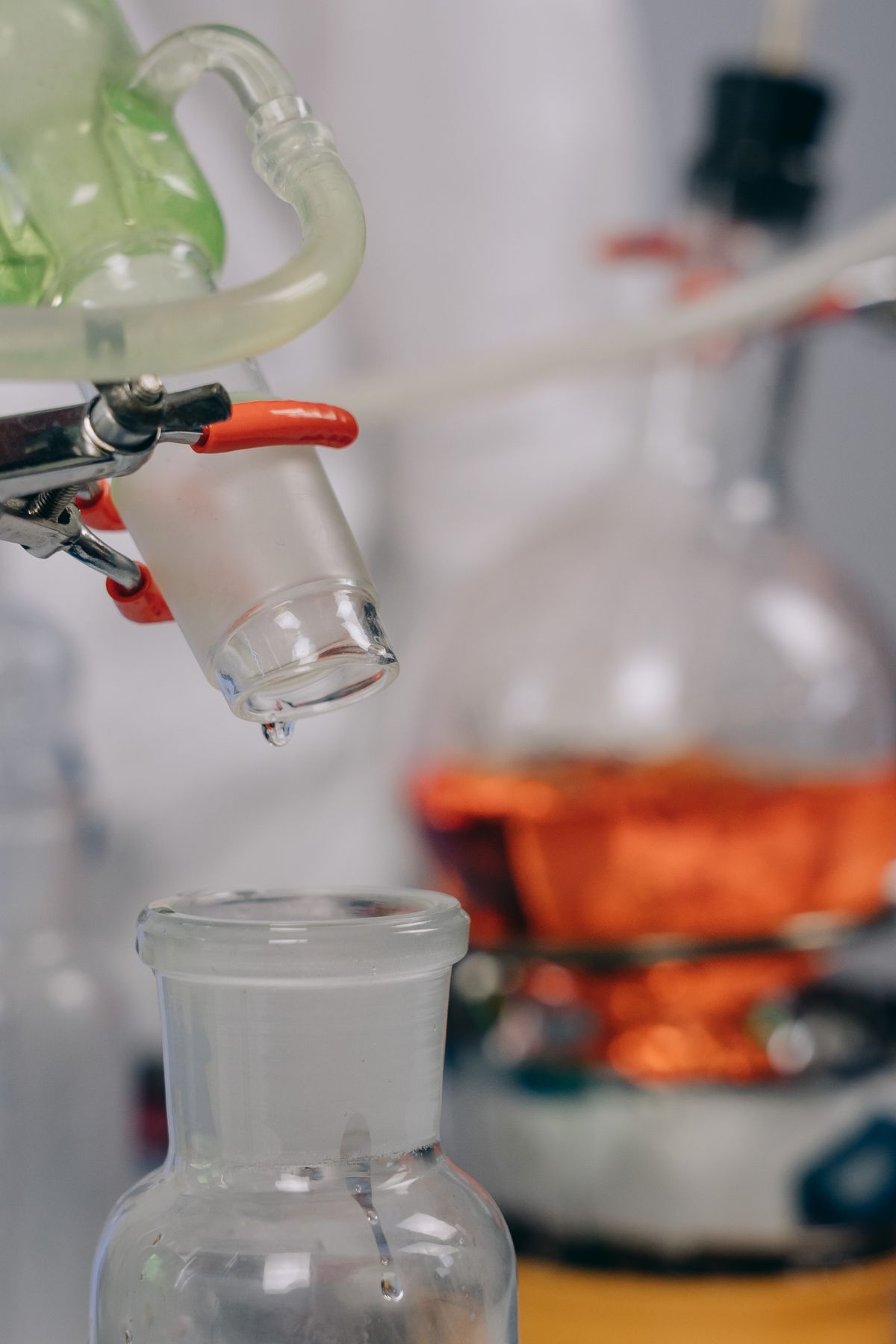
Bacteriostatic water is sterile water for injection containing 0.9% benzyl alcohol as a preservative. The preservative inhibits bacterial growth, which is why it is the standard diluent for multi-dose peptide vials that will be punctured repeatedly over days or weeks. Plain sterile water has no preservative and is intended for single immediate use.
Bacteriostatic vs sterile water
The difference is one ingredient with large practical consequences. Multi-dose use of preservative-free water invites contamination between punctures; USP <797> sterile-compounding standards exist precisely because those infections happen. Bacteriostatic water is typically usable for up to 28 days after first puncture when refrigerated and handled cleanly — your pharmacy label governs.

Who should not use benzyl alcohol
- Neonates — benzyl alcohol is associated with serious toxicity in newborns
- Anyone with a documented benzyl-alcohol sensitivity
- Formulations where a prescriber has specified a different diluent
Diluent sorted, two practical guides come next: the full reconstitution walkthrough and the worked bac-water mixing examples. If a clinician has prescribed multiple compounds, read the same-syringe compatibility problem before combining anything, and use the reconstitution calculator for the arithmetic.
Buying and handling
Use pharmacy-grade, sealed, in-date vials. Cloudiness, particles, or a broken seal disqualify a vial. None of this changes the underlying rule: the compound being reconstituted still needs a legitimate source and, for anything injected, a prescription.
Frequently asked questions
What is the difference between bacteriostatic water and sterile water?
How long is bacteriostatic water good after opening?
Who should not use bacteriostatic water?
Questions to ask a licensed clinician
- Is bacteriostatic water the right diluent for my specific prescription?
- What beyond-use date applies once my vial is punctured?
References
- US Pharmacopeia (2023). General Chapter <797> Pharmaceutical Compounding — Sterile Preparations. USP-NF. SourceStandard
- US Food and Drug Administration (2023). Certain bulk drug substances for use in compounding that may present significant safety risks. FDA Human Drug Compounding. SourceAgency notice
Related tools
Something incorrect in this guide? Report a correction. Material corrections are noted on the page with the date and nature of the change.